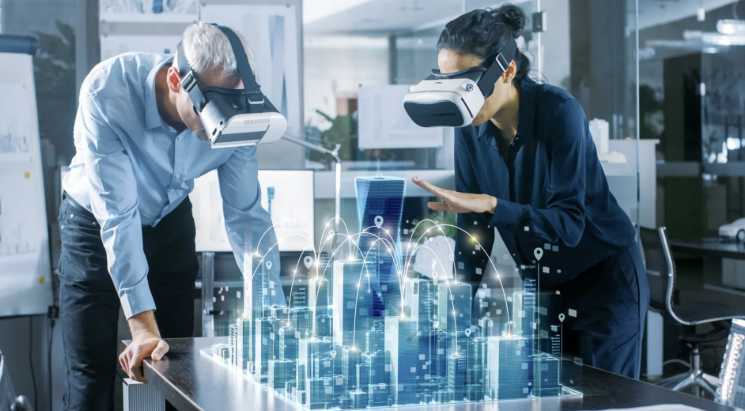
Augmented Reality (AR) is increasingly influencing the healthcare and surgical fields. It offers surgeons enhanced visualization of anatomical structures, thereby improving precision during operations. Furthermore, AR provides innovative training methods for medical professionals, fostering skill development through immersive experiences. As AR technology evolves, its applications in patient education and remote consultations are becoming more prevalent. This raises important questions about the future implications of AR in healthcare delivery and its potential challenges.
Enhancing Surgical Precision With AR
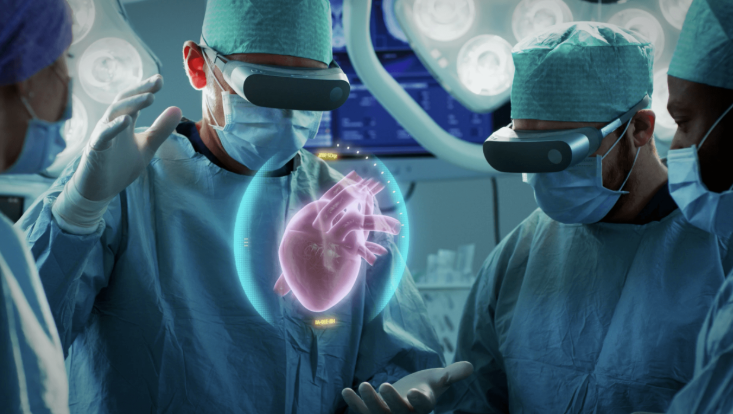
As surgical procedures become increasingly complex, the integration of augmented reality (AR) technology emerges as a transformative solution for enhancing precision.
Surgical navigation systems equipped with augmented reality overlays provide surgeons with real-time, context-sensitive information. This technology facilitates improved visualization of anatomical structures, minimizes errors, and ultimately contributes to better patient outcomes.
Empowering medical professionals to navigate intricate surgical tasks with greater confidence and accuracy.
Transforming Medical Training Through Immersive Experiences
Augmented reality (AR) is revolutionizing medical training by creating immersive experiences that enhance learning and skill acquisition.
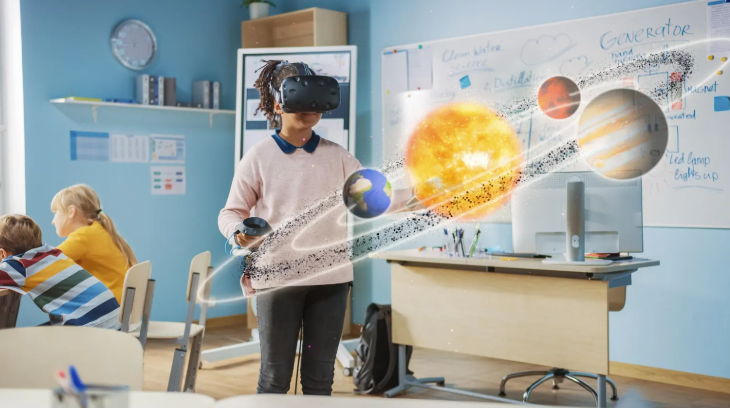
Through virtual simulations, trainees engage with interactive anatomy, allowing for deeper understanding and retention of complex concepts.
This innovative approach not only fosters a hands-on learning environment but also promotes critical thinking, ultimately preparing future healthcare professionals for real-world challenges with greater confidence and competence.
Improving Patient Education and Engagement
The advancements in augmented reality technology are not limited to medical training; they also hold significant potential for enhancing patient education and engagement.
Interactive tutorials can demystify complex medical concepts, while patient simulations offer immersive experiences that empower individuals to understand their conditions better.
See also: AR in Education and Learning
The Future of Remote Consultations in Healthcare
While technological advancements have significantly transformed various sectors, healthcare is poised for a remarkable evolution through the integration of remote consultations.
Telemedicine advancements are reshaping patient-provider interactions, enabling efficient virtual diagnostics that enhance accessibility.
This paradigm shift not only empowers patients with greater autonomy but also allows healthcare professionals to deliver timely, personalized care, ultimately fostering a more responsive and patient-centric healthcare system.
Conclusion
As the integration of augmented reality in healthcare unfolds, the promise of unprecedented surgical precision hangs tantalizingly in the balance. Imagine a future where every incision is guided by a holographic map, where medical students navigate complex anatomy within virtual realms, and patients engage with their health in vibrant detail. The potential for remote consultations to bridge gaps in care is equally compelling. Yet, the full impact of these advancements remains to be seen, leaving anticipation for what lies ahead.